I've spent fifteen years inside the rooms where these decisions get made.
And ten of them watching organizations make the same five mistakes.
That is why these books exist.

The work that became the books
For more than a decade I worked inside large organizations across fintech, automotive, IoT, manufacturing, and security, building and running the infrastructure that technology initiatives depend on. Director-level. Site Reliability Engineering. Platform engineering. The plumbing of how things actually work, or don't.
What I noticed across all of it was that the technical problems were almost never the actual problems. The systems were sound, the teams were capable, the budgets were there. The initiatives still failed, and the explanations everyone offered were always about the technology, the vendor, the data quality, the integration.
None of those explanations held. The same vendor's tools worked at one company and failed at another. The same data quality issue produced disaster in one organization and got worked around in another. The variable was never the technology. It was always the organizational context the technology dropped into.
By 2024 I had seen the pattern enough times that I started writing it down. The framework in The Discipline Advantage emerged from those years of pattern-matching, named as the five sequential conditions that decide whether AI initiatives return value. The Operating Advantage followed because the most common reaction to the first book was a single question: now what. The second book is the answer. The Scale Advantage followed the second the same way: the executive who has shipped one capability and is stuck on the second needs the system that compounds, not another build manual.

What drives the work
Most AI advice is sold to the wrong audience. The technologists building AI systems usually understand the failure modes; they have seen them up close. The executives who approve the budgets and own the outcomes often have not, and the framing they get from vendors and consultants is usually too optimistic to be useful.
All three books are aimed squarely at that second audience. The C-suite executive who said yes to an AI initiative on the basis of a deck and now needs to know what is happening, what could go wrong, and what to do about it.
The work is honest, structured, and unglamorous: diagnosis before prescription, real cases from real organizations, no hype or promises that the technology will eventually work itself out.
Personal
I live in Austin, Texas. When I am not working, I am walking dogs, riding bikes, or reading something deeply unrelated to AI. I am a generalist by inclination, the kind of person whose advantage comes from connecting domains rather than going deeper in one.
The three books are the work distilled. There will be more.
Credentials
- Executive Leadership Certificate, The Wharton School of the University of Pennsylvania
- AWS Certified Machine Learning — Specialty
- 15+ years in technology leadership across fintech, automotive, IoT, manufacturing, and security
Read in order, or pick the one closer to where you are.
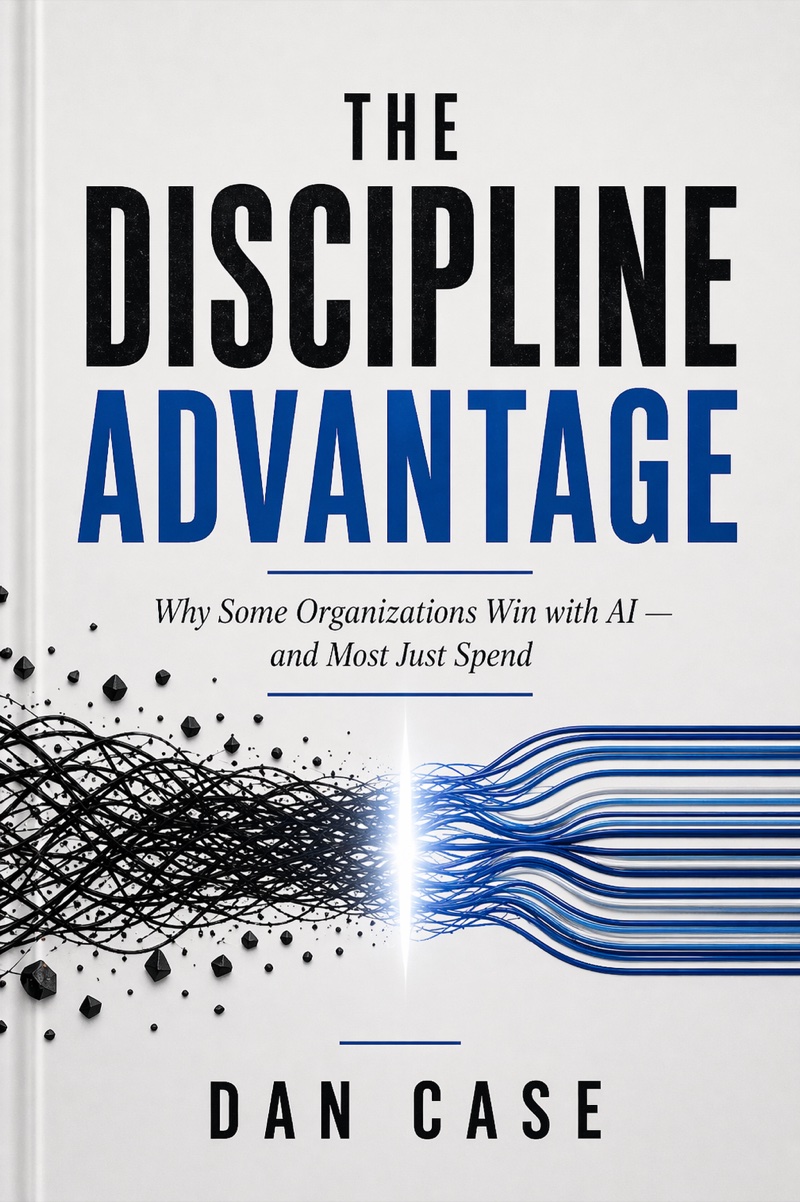
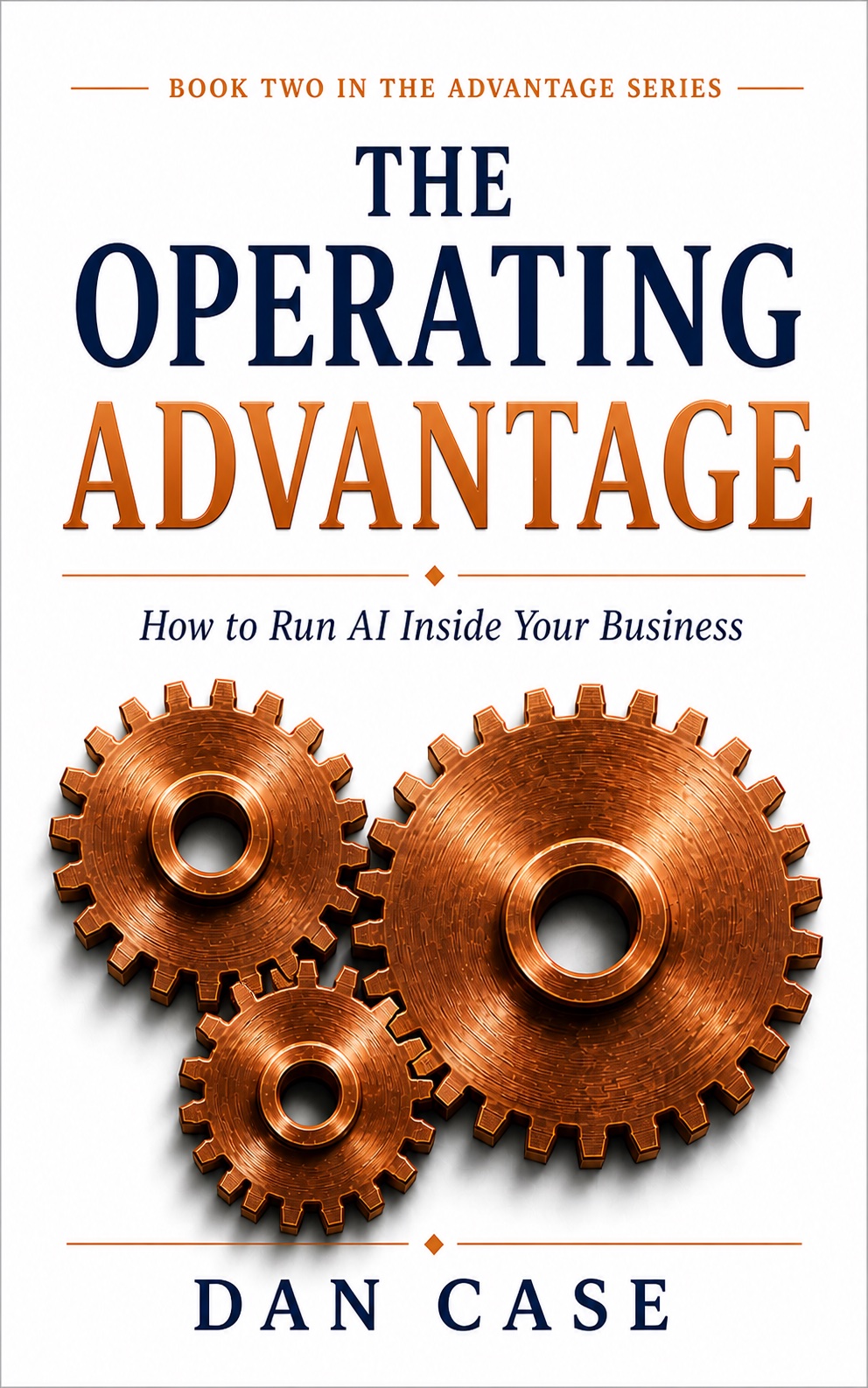
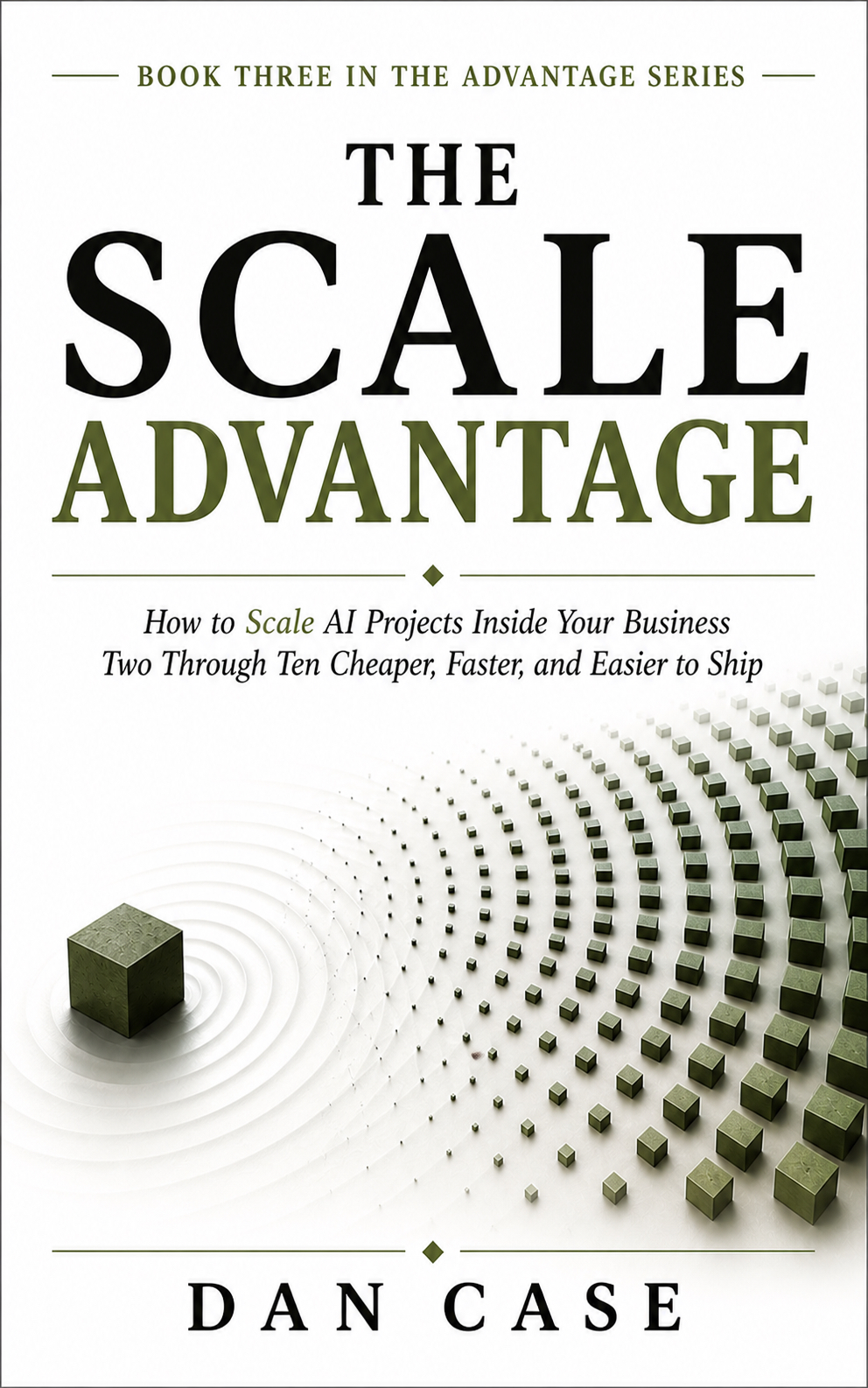
Book One is on Amazon. Books Two and Three arrive in 2026.
Read in order, or pick the one closer to where you are.